



Operated By:
An Enchanting Tasmanian Night Adventure
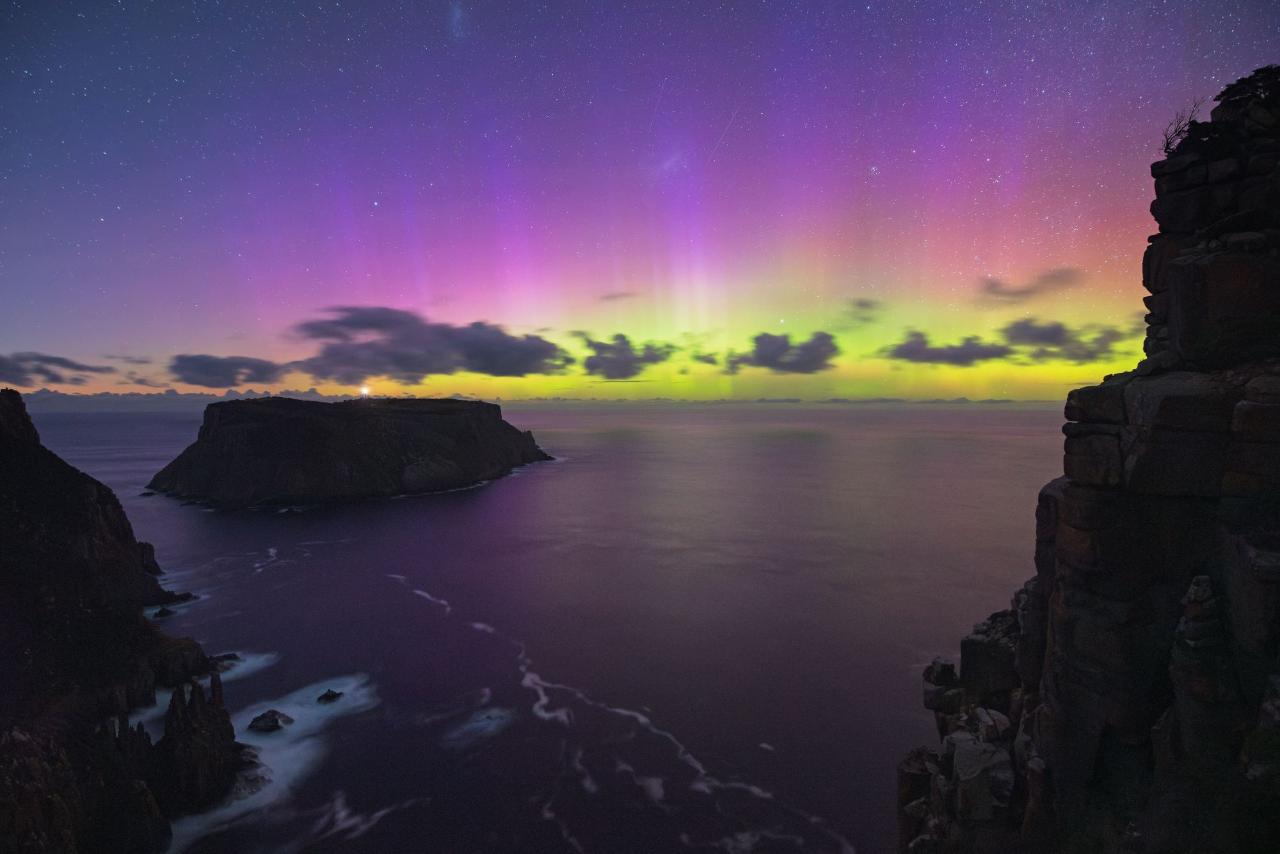
Under the moonlight of Tasmania, illuminate the story of your journey. Step into the night of Hobart and capture moments you will never want to forget. When the sun sets, a magical world awakens. Free from light pollution, Tasmania offers one of the world’s cleanest windows into the cosmos. Embark on an exclusive night journey to witness the celestial dance of the Southern Lights (Aurora Australis) and meet the island’s unique nocturnal residents.
Chasing the Southern Lights
Tasmania is globally renowned as one of the premier locations to witness the awe-inspiring Southern Lights. Our curated guide highlights the ultimate vantage points for your stargazing quest:
- South Bruny Island: Cape Bruny Lighthouse offers an incredible vantage point with minimal light pollution and endless southern horizons.
- Kunanyi / Mount Wellington: The towering summit overlooking Hobart provides sweeping views of the dramatic coastline.
- Cockle Creek: Journey to Tasmania’s southernmost edge for pristine, pitch-black skies perfect for aurora hunting.
- Seven Mile Beach & South Arm Peninsula: Convenient, low-light coastal spots just a short drive from Hobart.
Encounter Tasmania’s Nocturnal Wildlife
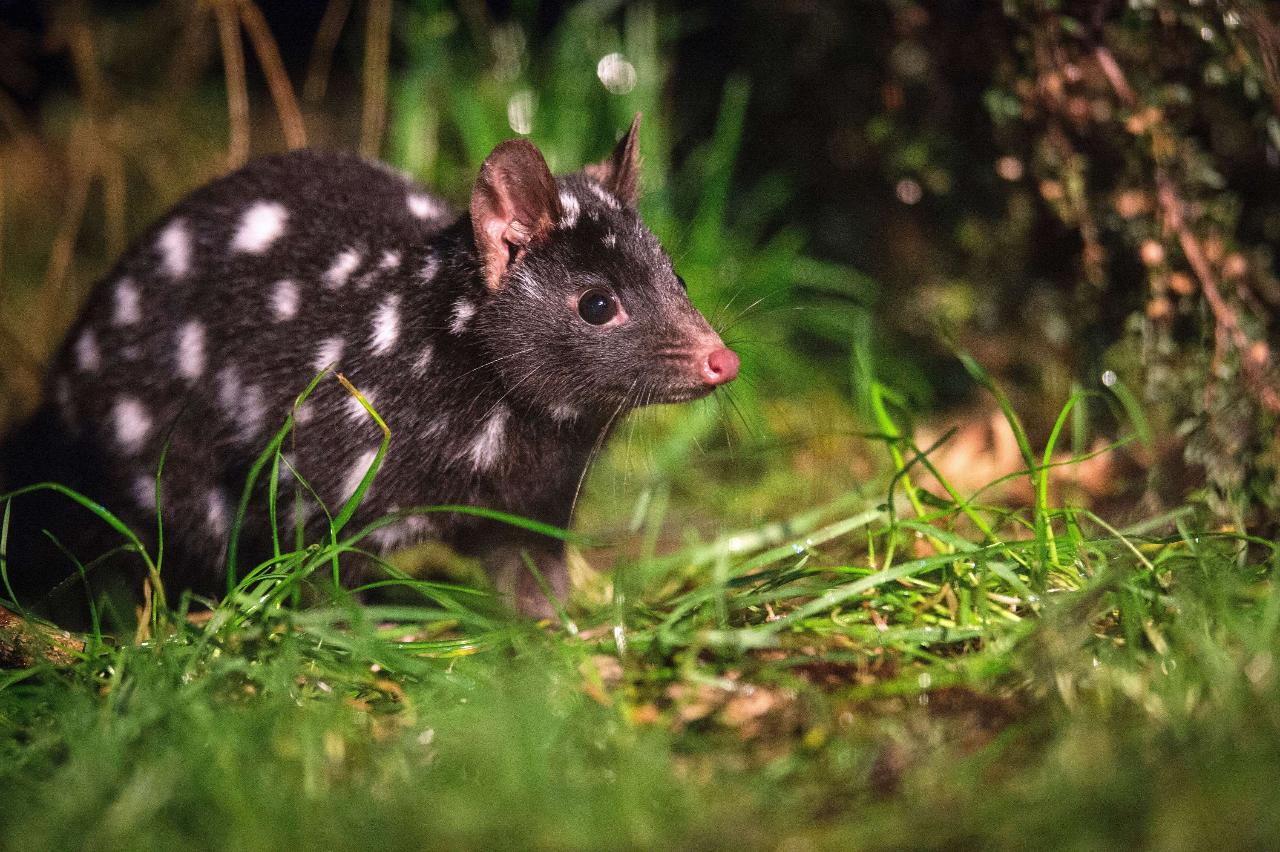
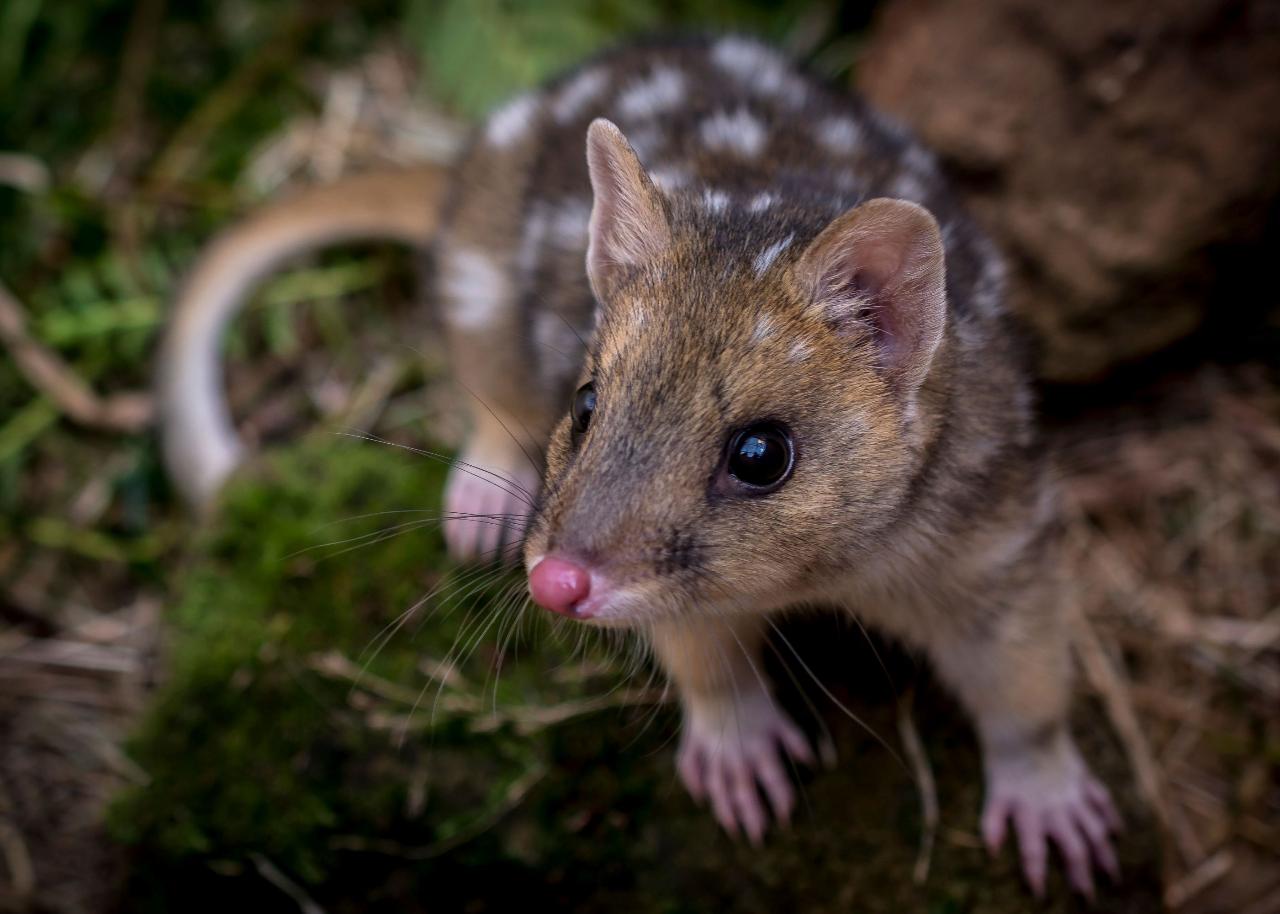
As darkness falls, the Tasmanian bush comes alive. Keep your eyes peeled for native creatures that only emerge under the cover of night. 🦘
- Spot wild wallabies and playful possums foraging under the starry sky.
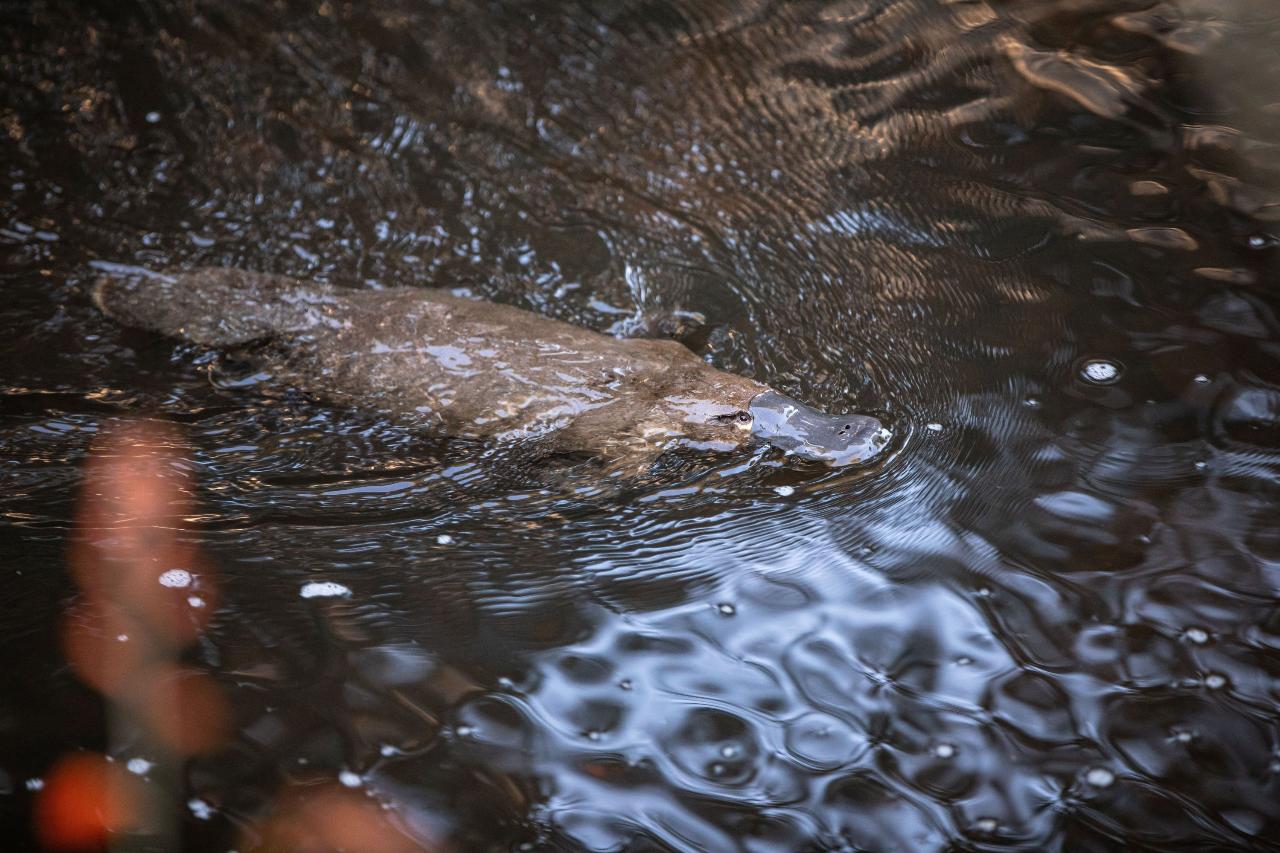
- Search for elusive species like the platypus, ring-tailed possums, and the tawny frogmouth. 🦉
- Listen for the calls of the masked owl and catch a glimpse of Tasmania’s unique night-dwelling fauna.
Pro Photography & Stargazing Tips
Capture the magic like a professional with our recommended camera settings and essential gear: 📸
- Camera Settings: Set your aperture to f/2.8 or wider, ISO to 1600-3200, and exposure to 10-20 seconds. Always use a sturdy tripod to prevent camera shake.
- Essential Gear: Pack warm layers, a thermos of hot cocoa, a headlamp with a red-light option to preserve your night vision, and a comfortable camp chair. ☕
Optimal Viewing Conditions
Plan your adventure during autumn and winter (May to August) when aurora activity peaks. For the darkest skies, target new moon periods and monitor the Kp index—aiming for a level of 4-5 or higher for the most vibrant displays. Always inform family of your itinerary before heading to remote areas, ensure your phone is fully charged, and remain cautious around coastal cliffs.
SUITS
Interests:
Skill Level:
Suitability:
Share:
 Great Bruny Island From being picked up in city followed by lovely ferry ride and then we started off on our tour of Bruny Island. The whole day was magic, amazing oysters, cheese and wine tasting. Great scenery and wild life. Were lucky to have Chaboo as our guide. Would do it again!

 Great day tour to Bruny Island Lovy day out from Hobart with a good mix of scenic walking, sights and local specialist vendors. We enjoyed our day. Thanks, to our guide who had plenty of information to share.
 Absolutely amazing experience! We had an incredible day on the Tasman Peninsula tour, and it was one of the absolute highlights of our visit to Hobart. The scenery was breathtaking from beginning to end, with dramatic coastal cliffs, and spectacular lookouts.
A huge thank you to our guide, Chaboo, who made the experience truly exceptional. He was friendly, professional, and incredibly knowledgeable about Tasmania’s history. At every stop, he shared fascinating stories and interesting facts, explaining the significance of each location in a way that was engaging and easy to follow. His passion for the region really shone through and made the tour so much more enjoyable.
Chaboo made sure we had enough time to soak in the scenery and take plenty of photos. He was attentive to everyone on the tour, kept the day well organised, and created a welcoming atmosphere from start to finish.
If you’re visiting Hobart, this is a tour you simply cannot miss. The Tasman Peninsula is one of the most beautiful places in Tasmania.
I highly recommend this tour to anyone wanting to experience Tasmania’s natural beauty while learning about its history and culture. Thank you Chaboo and Wild Escapes Tasmania.


 Excellent small group tour Excellent, not rushed, chubby excellent driver, guide very patient. On time well done.
 Relaxing and enjoyable family trip in Hobart We spent a wonderful week in Hobart and really enjoyed our trip.
Our guide, Chaboo, planned everything very well and made the journey easy and comfortable. The schedule was relaxed, so we never felt rushed and could enjoy each place at our own pace.
We also experienced both rainy and sunny weather, and each showed a different side of Tasmania. It made the trip more interesting and special.
Overall, it was a very pleasant family trip. I would recommend it to anyone who wants a relaxing and enjoyable holiday.


 Excellent day out Huge thanks to Chaboo who was a friendly and enthusiastic guide. He even brought binoculars so we could look out for birds and whales! A lot packed into the day with some lovely places to stop and delicious food.


